

Kids in Cohousing
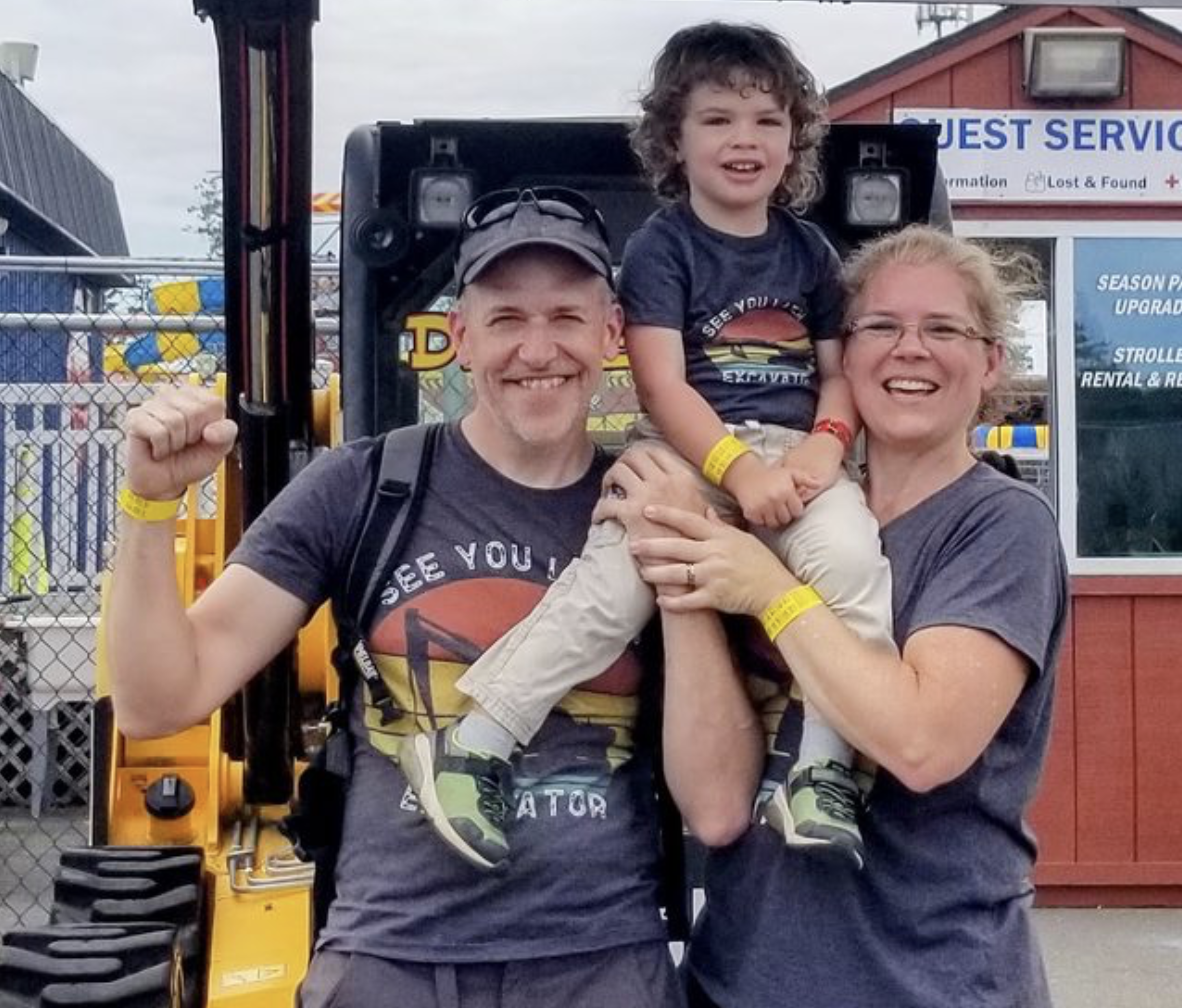
If you’ve ever found parenting challenging and have the time to read this, you may have landed in the right spot. Yes, every generation of parents face their own peculiar set of challenges, but today’s seem particularly daunting, at least to this first time parent.
A Q&A conversation by Michael Barrett,
Oak Park Commons Cohousing member and parent
My child spends so much more time alone at home than I did as a kid, and I feel especially isolated as a parent because of its singular demands? How can cohousing help?
As with many challenges, simplifying can help a lot. In the case of relationships, with cohousing proximity is key. It’s easier to be a genuine neighbor if you actually see your neighbor. Then, imagine if you were confident that your neighbor actually wanted the same thing as you: an authentic, robust neighborly relationship. This is the magic sauce of cohousing. You – and your children – are well on your way to meaningful, truly supportive relationships, if the people living next to you desire the same thing.
From the outside, this building looks like any other condo, so how specifically is the building designed to foster relationships?
A cohousing development slightly reduces the square footage of private space to increase the square footage of meaningful, unique shared spaces. We do this with over 4,300 square feet of common space that includes a large kitchen and dining area designed specifically with the intent to have recurring meals together. There is also a dedicated children’s playroom, with ample toy storage; a rooftop garden where kids can play in the dirt, which grows your ‘child’s brain, body and soul’ (2); a generous patio that invites outdoor play; as well as the usual building communal spaces - smaller rooms to exercise, watch or listen to entertainment, read, play games, hold a meeting, or simply relax together.
I hear you say cohousing is genuinely supportive - simply neighbors helping neighbors - but what are some concrete examples of this as it relates to parenting?
Your neighbors expect to be asked for help and, yes, they actually want to be asked. Helping each other with the seemingly mundane stuff of life kind of sums up why we’re all here. And, ever notice how it’s usually much easier to help someone else than yourself? Do you ever need: A trusted babysitter? A dog walked? A cup of milk? A quick ride here or there to make parental logistics work today? Someone else to cook for a change? Advice on today’s challenge from another parent who’s definitely ‘been there before’? To simply feel comfortable and confident in asking neighbors who genuinely care to keep a watchful eye for a time? Some time around actual adults for yourself or some all-too rare self-care? Your neighbors are there to help.
Historically, the answer to the challenges of raising a healthy, happy child was met with some variation of the familiar ‘it takes a village.’ But, today it seems harder to find that willing, capable village. When parents search, one potential answer is found in the growing number of cohousing developments. There are currently over 165 in the United States, with another 140 in various stages of development. Yes, it’s a bold claim that somehow a type of housing development might uniquely be able to help with any or all these parenting challenges. In fact, cohousing started some five decades ago, specifically as a way to create a better childhood for kids. Here’s how there might actually be something to this – that where you live and how you live can absolutely help.
How does our location, Oak Park, IL, significantly aid in the search for quality schools?
The public school system is organized around its high school, designated by the state as an ‘exemplary’ school, meaning it ranks in the top 10% of all Illinois high schools, with a 95% graduation rate and 55% AP participation. Oak Park is known for its diverse community, which is reflected in its public schools. The high school accomplishes its stellar rating while being one of the most racially diverse suburban districts in the state, securing a well-earned reputation for promoting inclusivity and broad cultural awareness. The larger Oak Park community places a strong emphasis on education, meaning there’s legit, active community support of the public schools. Equally strong arts and sports programs dot the town. Civic and parent groups work hand in hand with the schools. This might be best exemplified by the award winning Collaboration for Early Childhood.
Speaking of education, what will my children learn living in such a community?
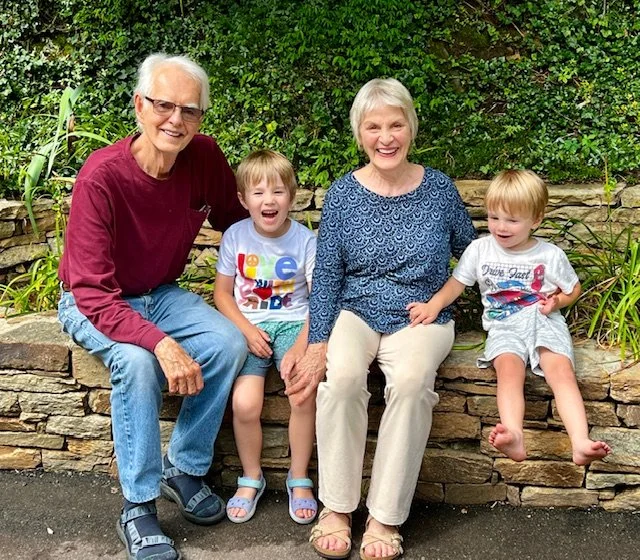
If you believe the best education comes from exposure to diverse ideas and beliefs held by diverse people, you will find that very mix between our walls. Not surprisingly, our community includes families and individuals who have lived lives that value relationships, community, and the greater good, even before they were ever introduced to the idea of cohousing. As a result, among your neighbors, there are several educators. While some have valued Oak Park so highly they’ve called it home for their entire lives, others hail from both coasts and even beyond. For kids, this means actual intergenerational relationships with adults and seniors but also, wonderfully, with kids of various ages. Children will find willing playmates, readers, tutors, storytellers and caregivers among the neighbors they meet at meals, in the hallways, and on the rooftop. Each neighbor is unique, but we all share the same commitment to creating real community trust and support while sharing the joys and challenges of life. As a result, schools have specifically observed that kids raised in a cohousing setting are, not surprisingly, particularly adept at sharing, problem-solving, conflict resolution and group decision-making. (1)
You promised me cohousing could help save the planet for this child I love. How so?
Most impactful: it’s in how the entire building itself was built to achieve The National Green Building Standard (NGBS) Silver rating. (3) The NGBS rigorously defines what it means to be a ‘green building’ covering 6 areas of high-performance building practices, such as lot design and development, resource and water efficiency, energy efficiency via a heat pump split system and induction ranges, indoor environmental quality, and building operation and maintenance. In addition, Oak Park Commons includes: secure bike racks that help enable frequent biking, close public transportation, a smaller environmental footprint by living in a dense, very walkable urban environment (Oak Park is the most walkable city in Illinois) (4), a rooftop garden to grow vegetables and native perennials for pollinators, and future solar panel installation.
I’m already maxed out by parenting. What if I feel as if I don’t have much more capacity to give a larger community?
Many benefits of cohousing highlighted here come directly from being a diverse, intergenerational community. That means we very much want families and children of all ages to feel warmly welcomed. That’s done, in part, by understanding the commitment and workload of parenting. Yes, we want to live among people committed to the
potential of living together in a community. But still, how and when you interact with your larger community is flexible and determined by your availability and capacity, just as it is for everyone, everyday.
I’m sold on cohousing, but why should I consider Oak Park specifically for my family? What does the larger community offer parents and children?
Oak Park amenities include 17 community parks, three recreation centers, three ice rinks, a weekly farmers market, an outstanding public library system, and more.


Sources
(1) “Children need 100 parents”
https://gaiaeducation.medium.com/children-need-100-parents-bf224a7c2418
(2) PBS – “Gardening With Kids: How It Affects Your Child’s Brain, Body and Soul”
https://www.pbs.org/parents/thrive/gardening-with-kids-how-it-affects-your-childs-brain-body-and-souls
(3) “The NGBS Green Promise” https://www.ngbs.com/the-ngbs-green-promise
(4) Redfin – “The 10 Most Walkable Cities in Illinois” https://www.redfin.com/blog/most-walkable-cities-in-illinois